

On-demand roasting is the coffee world’s most awkward truth.
It makes “Roasted on” dates matter again.
It makes stale obvious.
It makes a supermarket shelf look… suspiciously quiet.
Status: Freshness recalculated.
Notification: “Choosing a selection results in a full page refresh.”
Let’s break down why everyone’s suddenly obsessed with on-demand roasted coffee, and why your grocery store would prefer you stop reading right now.
On-demand roasting, explained like a checkout banner
On-demand roasting = coffee roasted after you order it.
Not “roasted sometime this season.”
Not “best by 2027, good luck.”
It’s basically the opposite of traditional retail coffee logistics:
- Grocery coffee: roasted in huge batches → shipped → warehoused → shelved → purchased → finally brewed.
- On-demand coffee: ordered → roasted → packed → shipped → brewed.
Different universe.
System message: Freshness window narrowed.
System message: “Item added to your cart.” (Mentally.)
Why it matters: coffee is not a pantry rock. It’s aromatic. Volatile. It’s full of compounds that start fading the moment it’s roasted. The longer it sits around, the more it turns into “brown caffeine dust with regrets.”
The dirty little secret: “Fresh” is a vibe word
Most bags in a grocery store don’t tell you the roast date.
They tell you:
- “Best by”
- “Guaranteed fresh”
- “Premium”
- “Craft”
- “Small batch” (sometimes)
Those are marketing adjectives. Not timestamps.
A roast date is a receipt. It’s the one thing that’s hard to spin.
UI prompt: Show filters → “Roast date.”
Result: No matches found.
Troubleshooting: Try a different store. Try a different business model.
This is why on-demand roasting keeps coming up in coffee circles. People got tired of guessing.
Why your grocery store hates on-demand roasting (in five practical reasons)
Not conspiracy. Just economics.
1) Shelf life is the whole game
Grocery stores need products that can sit. For a while. Then longer. Then longer again.
On-demand roasting basically says:
“Hey, what if coffee didn’t sit around?”
That doesn’t fit neatly into:
- distribution centers
- weekly planograms
- end-cap rotations
- “we’ll reorder next month”
System notification: Inventory strategy incompatible.
2) Grocery stores sell convenience, not timing
A grocery aisle isn’t designed to educate you on extraction, degassing, or why your beans smell like cardboard.
It’s designed for:
- you’re hungry
- you’re busy
- grab the thing
- leave
On-demand roasting makes you notice timing. And once you notice it, you can’t un-notice it.
Pop-up: “You are now aware of roast dates.”
Buttons: Continue / Continue but suspiciously
3) Middlemen get nervous
On-demand roasting tends to be direct-to-you.
Fewer layers. Fewer markups. Less “handling.”
That’s great for drinkers. Less great for giant retail networks that need margin at every handoff.
Status: Intermediary removed.
Warning: Some businesses may experience reduced vibes.
4) Price comparisons get… uncomfortable
When you compare:
- grocery bag price
vs - roasted-to-order subscription price
…you start asking why “older coffee” costs the same (or more).
Which leads to the next thing.
5) Subscriptions are sticky
When people subscribe, they stop browsing the aisle.
Grocery stores love repeat purchases.
But they especially love repeat purchases in their store.
On-demand subscriptions relocate that habit.
System message: Default purchasing path changed.
Admin note (not shown to customers): “Retention risk detected.”
Freshness isn’t just taste. It’s control.
If you’ve ever had this experience:
- you buy a bag
- you open it
- it smells… fine
- you brew it
- it tastes flat
- you adjust everything
- it still tastes flat
That’s often not your method. It’s the coffee’s age.
Fresh coffee gives you range. You can dial in.
Older coffee makes everything feel “same-ish” no matter what you do.
Error: TASTE_PROFILE_NOT_FOUND
Suggested fix: Use fresher coffee. Then adjust grind.
The “sweet spot” timeline (no poetry, just timing)
General rule of thumb for most coffee:
- Days 0–2 after roast: can be gassy; espresso especially can be chaotic
- Days 3–14: the fun zone for many brew methods
- Weeks later: aroma and clarity drop; flavors blur
Does older coffee become undrinkable? No.
Does it become less interesting? Usually, yes.
On-demand roasting turns this into a predictable routine instead of a dice roll.
System message: Predictability increased.
Home brewing tips that work better with on-demand coffee
You wanted practical. Here you go. Short. Repeatable. Unromantic.
Tip 1: If it tastes bitter, don’t instantly blame “dark roast”
Bitter can come from over-extraction.
Try this in order:
- Grind a bit coarser.
- Lower brew time slightly.
- Lower water temp (try ~200°F / 93°C).
- If still bitter, reduce agitation (stop swirling like you’re summoning rain).
Troubleshooting loop: Change one variable. Re-test. Repeat.
Tip 2: If it tastes sour, don’t panic
Sour often = under-extraction.
Try:
- Grind finer.
- Increase brew time slightly.
- Increase water temp (try ~205°F / 96°C).
- Make sure you’re using enough coffee.
Status: Extraction corrected.
Tip 3: Use a scale. Be boring. Win anyway.
A tablespoon is not a unit. It’s a suggestion.
Start here:
- Drip / Pour-over: 1:16 ratio (e.g., 20g coffee to 320g water)
- French press: 1:15 (slightly stronger)
- AeroPress: lots of options, but start 1:12 and adjust
UI prompt: “Save this recipe?”
Button: Yes, because future-me is tired
Tip 4: Water matters more than you want it to
If your tap water tastes weird, your coffee will taste weird.
Basic fixes:
- filtered water
- don’t use distilled (coffee can taste flat)
- don’t use boiling water straight off the kettle for delicate roasts
Error: OFF_FLAVOR_SOURCE=WATER
Suggested fix: Filter.
Tip 5: Store coffee like you actually like coffee
Do:
- keep it sealed
- keep it cool and dry
- keep it away from sunlight
Don’t:
- leave it open on the counter
- store it next to spices
- “fridge it” unless you like moisture roulette
System message: Aroma preserved.
What on-demand roasting changes for your daily life (aka the real reason it’s trending)
It’s not just “better.” It’s easier to be consistent.
You don’t have to:
- hunt for roast dates
- guess which bag is newest
- buy three options and hope one is decent
You just order. It shows up. You brew.
Notification bar: Your coffee is now on schedule.
And because on-demand models run leaner (less shelf time, less retail overhead), the pricing can be shockingly sane.
Where Avspresso Roasters fits: on-demand, roasted fresh, lowest cost
Here’s the blunt part.
We’re built for this model.
- Coffee roasted on-demand.
- Delivered to your door.
- Subscription-friendly.
- Lowest cost on-demand roasted coffee company.
Short sentence. Big consequence.
Banner: PRICE DROP ENERGY.
CTA: Check out blends. Continue shopping.
Explore:
- https://avspresso.com/collections/blends
- https://avspresso.com/collections/single-origin
- https://avspresso.com/collections/flavored
System message: “Item added to your cart.”
System message: “Choosing a selection results in a full page refresh.”
If you’re used to paying specialty prices for “fresh” and still getting a bag that’s been through a whole logistics saga… yeah. This will feel different.
A quick visual: what “fresh roasted” actually looks like
This is what a bag is supposed to communicate: coffee, roast level, and no mystery meat ingredients.
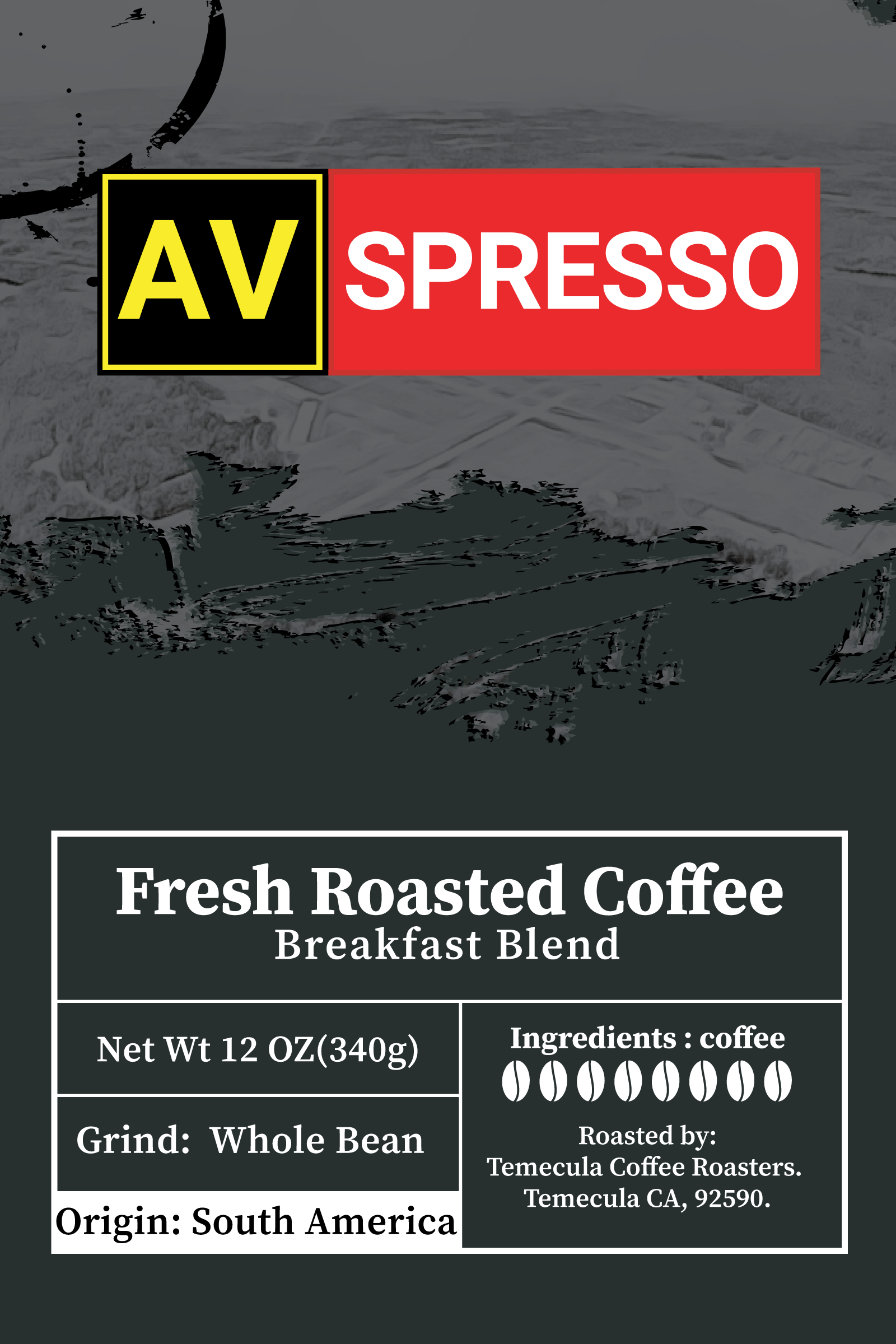
Status: Ingredient list verified.
Result: “Ingredients: 100% coffee.”
And if you like espresso blends that actually pull with crema and clarity when dialed in:
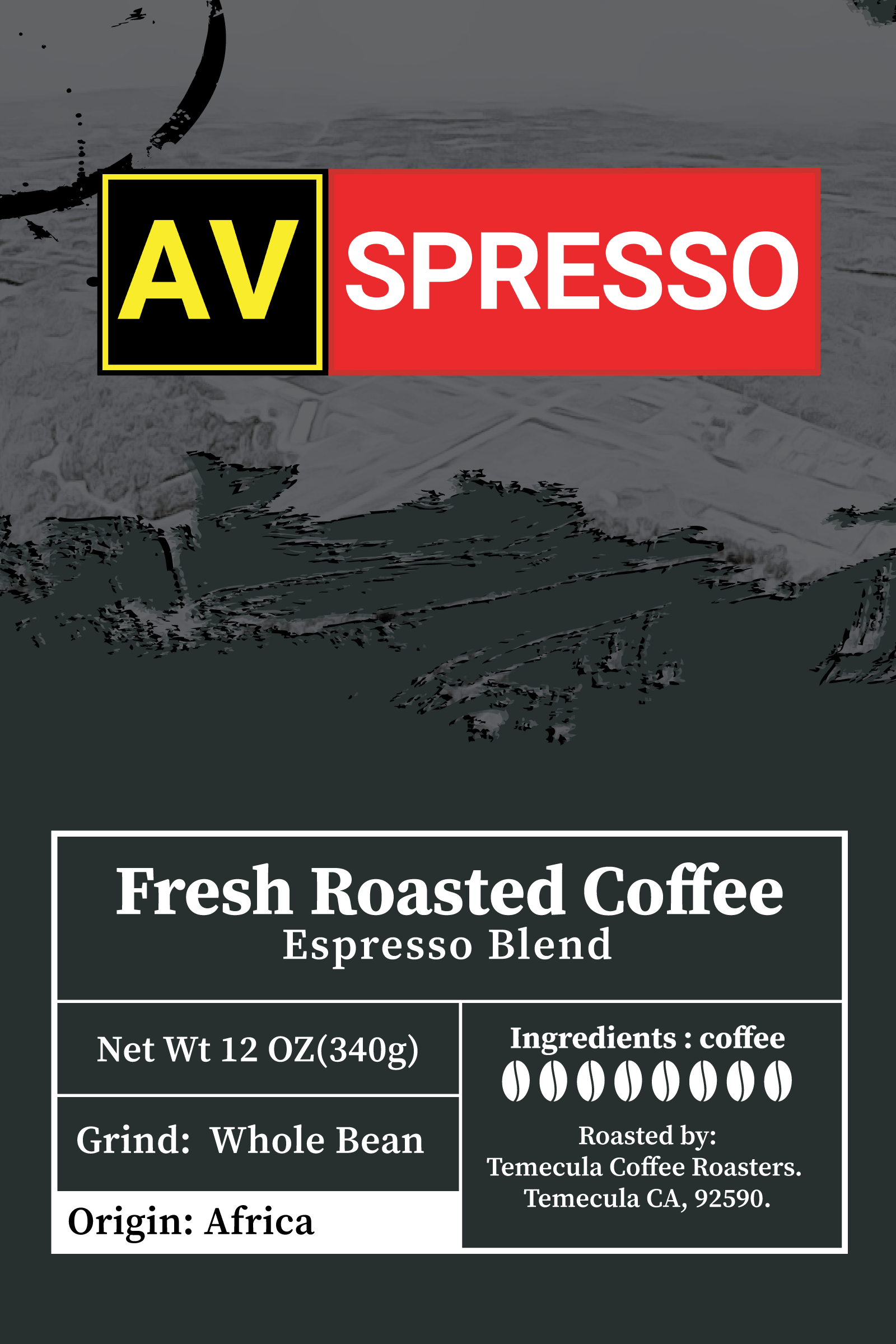
Prompt: Select grind → Whole bean recommended.
Note: Grinding fresh is basically cheating (legal).
“But grocery store coffee is cheaper.” Sometimes. Until it isn’t.
Let’s talk real cost.
Grocery store coffee looks cheap until you factor in:
- you toss half the bag because it tastes dead
- you “fix it” with syrups/creamers you didn’t plan to buy
- you buy another bag anyway because the first one was disappointing
- you keep changing brew methods trying to solve an age problem
System notification: Hidden costs detected.
With a subscription, you remove the randomness:
- predictable delivery
- predictable freshness
- predictable results
CTA: Continue shopping.
If you want the “we roast when you order” route, start here:
On-demand roasting + subscriptions = the grocery aisle’s worst-case scenario
From the store’s point of view, this is the nightmare combo:
- you stop browsing
- you stop impulse-buying “new” bags
- you stop paying for shelf-space marketing
You become… stable. In coffee.
That’s great for you.
System message: Customer churn decreased.
System message: Aisle traffic decreased.
Quick FAQ (because your brain will ask)
“Is on-demand roasting only for coffee snobs?”
No. It’s for people who like coffee to taste like coffee.
Snobbery not required.
“Do I need fancy gear?”
No.
A decent grinder helps. A scale helps more than you think.
But the biggest upgrade is freshness.
“What if I like flavored coffee?”
Then you like flavored coffee. Own it.
We have that too:
UI prompt: “Add to cart?”
Result: Add to cart.
If you do nothing else, do this one thing
Next time you buy coffee, ask:
When was this roasted?
If the answer is:
- missing
- vague
- “best by”
- a long pause
That’s your sign.
Troubleshooting: Switch to on-demand roasted coffee.
Troubleshooting: If you already did, congratulations. You broke the shelf.
For anything else, go direct: